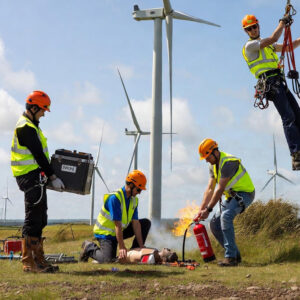
The IRATA course is an international certification in industrial rope access (industrial rope access), meaning professional utility alpinism at height.
Thank you for reading this post, don't forget to subscribe!IRATA (Industrial Rope Access Trade Association) is considered the world’s #1 authority in this field, with an extremely good safety record (over decades). The certification is globally recognized, especially in the offshore oil industry, wind energy, high-rise construction, structural maintenance, bridges, power plants, etc.
Main IRATA certification levels
There are 3 progressive levels:
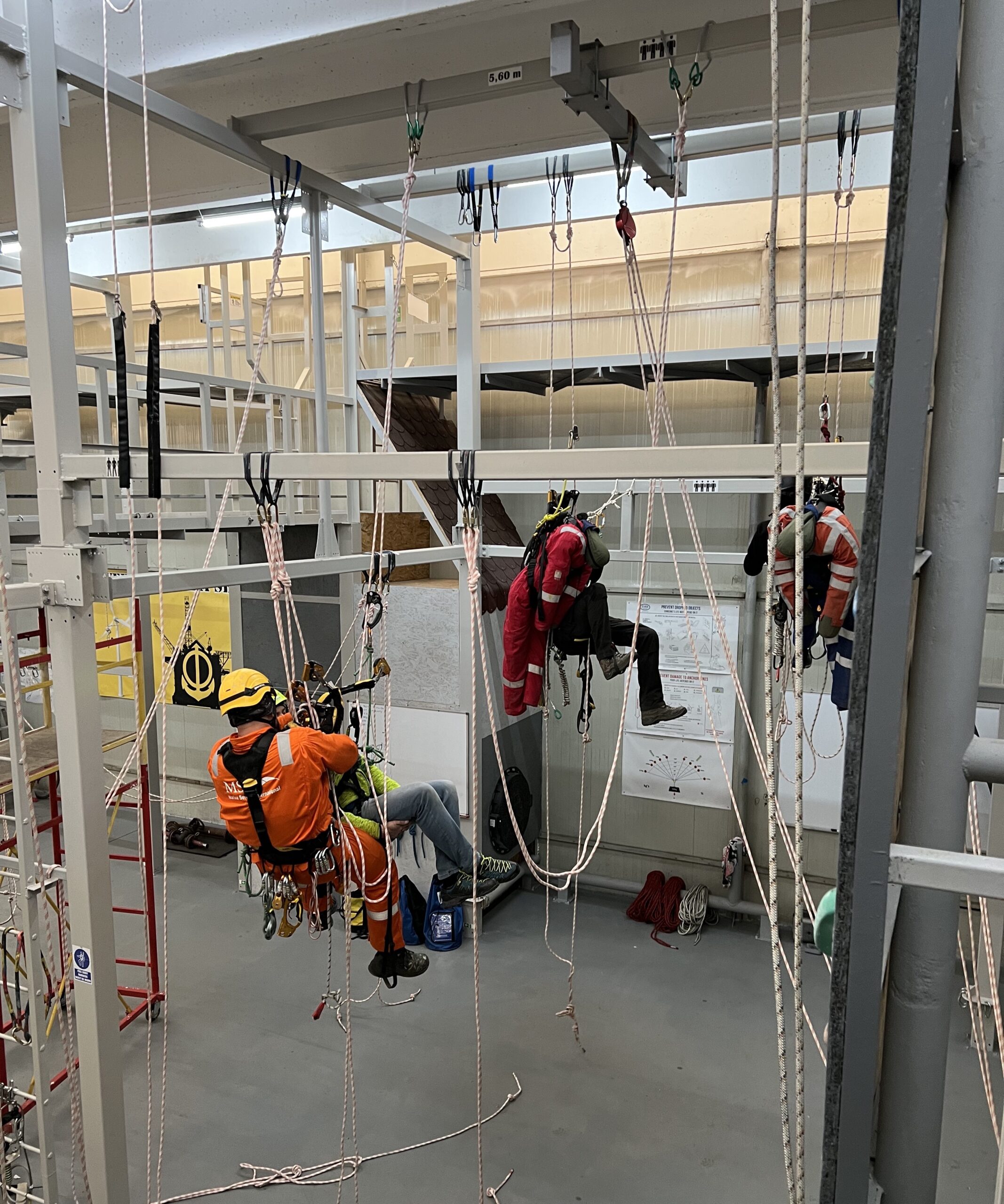
- IRATA Level 1 Entry / beginner level You learn the basics: rope maneuvers, ascent/descent, rope-to-rope transfer, simple rigging, basic rescue (e.g. lowering an injured person with a descender). You can work only under direct supervision (usually by a Level 3). Course + exam duration: usually 5 days training + 1 day independent assessment
- IRATA Level 2 Intermediate level More advanced rigging techniques, complex rescues (including from ascenders), you can work without direct supervision but cannot lead teams. Requirement: minimum 1 year experience + minimum 1,000 logged hours since Level 1.
- IRATA Level 3 Advanced / supervisor level Complex rigging, rescue from any situation, job planning, team management, legal responsibility on site. Requirement: another minimum 1 year + 1,000 hours since Level 2 (so ~2 years total experience + 2,000 hours).
Each certificate is valid for 3 years, after which it must be renewed (revalidation / refresher course).
Practical advantages
- Much higher salaries than uncertified utility alpinism (especially offshore, wind, international jobs)
- Access to jobs on oil platforms, wind turbines, power plants, high buildings, bridges
- Very high safety level (IRATA accident statistics are orders of magnitude lower than other methods)
If you’re thinking of entering the field, most people start with Level 1. You need decent physical condition, no fear of heights, and attention to detail (safety rules are very strict).